Welcome to the Livin The Dream Team Blog

If you're looking for real estate tips and the most up-to-date real estate trends in Marco Island and Naples, you are in the right place. From market trends to local events, and happenings our team is here to help navigate you every step of the way.

July 28, 2021

Scents That Will Help Sell Your House

You've probably made a list of things to do around the house if you're getting ready to sell your house. Remove any clutter from your rooms, paint the walls, and repair any damaged or worn items.

When preparing a home to sell, it's obvious that enhancing the aesthetic appeal is critical. However, there is one extremely crucial chore to add to your to-do list: ensuring that your home has a pleasing scent.

Follow these guidelines on scents to use and avoid to help sell your home.

1. Start with a deep clean.

Cleaning your home when prepping it for sale means scrubbing the nooks and crannies of all hard surfaces until they shine, as well as washing or vacuuming all fabric items, such as bedding and drapes. This heavy-duty cleaning approach should eliminate minor unwanted odors and introduce a clean, refreshing scent throughout each room.

2. Eliminate food and pet odors.

Whether you’re a cat lover or a gourmand, you may no longer notice the odors from pets or cooked food in your home. But for a potential buyer, these smells are at the very least distracting, and in some cases may even be offensive. Remember, buyers, are there to view your home and — hopefully — to imagine themselves living in it. You don’t want them focusing on any unwanted odors. 

3. Keep it fresh and simple.

Whether you choose to introduce a scent via reed diffuser, candle, or fresh ingredients, make sure no other scent is mixed with it. Lemon should not be mixed with orange, for example. This will allow your potential home buyer to stay focused on the task at hand.

4. Less is more.

Introducing a simple scent to your home-staging efforts doesn’t necessarily mean you can drench the home in that one smell. Remember, less is more: You want potential buyers to appreciate the home, not be bowled over by an overwhelming smell of lemons.

5. Let the scent reflect the space.

Finally, select a scent that is appropriate for the general environment and aesthetic of the home. For example, if you have a lot of wooden beams and walls, cedar might enhance the ambiance. Likewise, if you’re near the beach, go for something fresh.

Looking for more real estate tips? Just leave a comment below or send our team a message today.

July 20, 2021

4 Major Incentives To Sell This Summer

While the property market is expected to improve in the second half of the year, there may not be a better time to sell than now. If you're attempting to figure out if now is the appropriate moment to make a move, here are four things to think about.

1. Your House Will Likely Sell Quickly

According to the most recent Realtors Confidence Index released by the National Association of Realtors (NAR), homes continue to sell quickly. The report notes homes are selling in an average of just 17 days.

Average days on market is a strong indicator of buyer competition, and homes selling quickly is a great sign for sellers. It’s one of several factors that indicate buyers are motivated to do what it takes to purchase the home of their dreams.

2. Buyers Are Willing To Compete for Your House

In addition to selling fast, homes are receiving multiple offers. NAR reports sellers are seeing an average of 5 offers, and these offers are competitive ones. Shawn Telford, Chief Appraiser at CoreLogic, said in a recent interview:

“The frequency of buyers being willing to pay more than the market data supports is increasing.”

This confirms buyers are ready and willing to enter bidding wars for your home. Receiving several offers on your house means you can select the one that makes the most sense for your situation and financial well-being.

3. When Supply Is Low, Your House Is in the Spotlight

One of the most significant challenges for motivated buyers is the current inventory of homes for sale, which while improving, remains at near-record lows. As NAR details:

“Total housing inventory at the end of May amounted to 1.23 million units, up 7.0% from April’s inventory and down 20.6% from one year ago (1.55 million). Unsold inventory sits at a 2.5-month supply at the present sales pace, marginally up from April’s 2.4-month supply but down from 4.6-months in May 2020.”

There are signs, however, that more homes are coming to market. Odeta Kushi, Deputy Chief Economist at First American, notes:

“It looks like existing inventory is starting to inch up, which is good news for a housing market parched for more supply.”

If you’re looking to take advantage of buyer demand and get the most attention for your house, selling now before more listings come to the market might be your best option.

4. If You’re Thinking of Moving Up, Now May Be the Time

Over the past 12 months, homeowners have gained a significant amount of wealth through growing equity. In that same period, homeowners have also spent a considerable amount of time in their homes, and many have decided their house doesn’t meet their needs.

If you’re not happy with your current home, you can leverage that equity to power your move now. Your equity, plus current low mortgage rates, can help you maximize your purchasing power.

But these near-historic low rates won’t last forever. Experts forecast interest rates will increase in the coming months. Nadia Evangelou, Senior Economist and Director of Forecasting at NAR, says:

“Nevertheless, as the economic outlook for the United States looks brighter for the rest of the year, mortgage rates are expected to rise in the following months.”

As interest rates rise, even modestly, it could influence buyer demand and your purchasing power. If you’ve been waiting for the best time to sell to fuel your move up, you likely won’t find more favorable conditions than those we’re seeing today.

With supply challenges, low mortgage rates, and extremely motivated buyers, sellers are well-positioned to take advantage of current market conditions right now. If you’re thinking about selling, talk to a trusted real estate advisor today about why it makes sense to list your house sooner rather than later. Send us a message here. 

July 13, 2021

Tips for Young Homebuyers

For many young or first-time homebuyers, purchasing a home can feel intimidating. A recent survey shows some homebuyers ages 25 to 40 may be unsure about the homebuying process and what they can afford. It found:

  • “1 in 4 underestimated their buying potential by $150k or more”
  • “1 in 4 underestimated the increase in value by $100k or more”
  • “47% don’t know what a good interest rate is”

Because they feel uncertain, many young homebuyers have given up on their search, or worse, they’ve decided homebuying isn’t for them and never started on their journey to begin with.

If you’re interested in buying but aren’t sure where to begin, here are three key concepts about homeownership you should understand before you get started.

1. What You Need To Know About Down Payments

Saving for a down payment is sometimes viewed as one of the biggest obstacles for homebuyers, but that doesn’t have to be the case. As Freddie Mac says:

“The most damaging down payment myth—since it stops the homebuying process before it can start—is the belief that 20% is necessary.”

According to the most recent Home Buyers and Sellers Generational Trends Report from the National Association of Realtors (NAR), the median down payment for homes purchased between July 2019 and June 2020 was only 12%. That number is even lower when we control for age – for buyers in the 22 to 30 age range, the median down payment was only 6%.

2. You May Be Able To Afford More Home Than You Think

Working remotely, exercising, and generally spending more time than ever in our homes has changed what many people are looking for in their living space. However, some young homebuyers don’t feel they can afford a home that suits their growing needs and have decided to continue renting instead. That means they’ll miss out on some of the long-term benefits of owning a home. As an article recently published by NAR points out:

“Many young adults are underestimating how much they need for homeownership, the survey finds. Millennials underestimated how much home they can afford right now, how much interest they would pay over a 30-year mortgage, and how much home values appreciate, on average, over 10 years…”

Knowing how much home you can afford when starting the buying process is critical and could be the game-changer that gets you from renting to buying.

3. Homeownership Will Become Less Affordable the Longer You Wait

Finally, with mortgage rates starting to rise along with home prices appreciating, putting off buying a home now could cost you much more later. Sam Khater, Chief Economist at Freddie Mac, notes:

“As the economy progresses and inflation remains elevated, we expect that rates will continually rise in the second half of the year.”

Most experts forecast interest rates will rise in the months ahead, and even the smallest increase can influence your buying power. If you’ve been on the fence about buying a home, there’s no time like the present.

If you feel overwhelmed by the prospect of starting your home search, you’re not alone. Connect with a real estate professional to learn more about the process, what you’ll need to start your search, and what to expect.

July 5, 2021

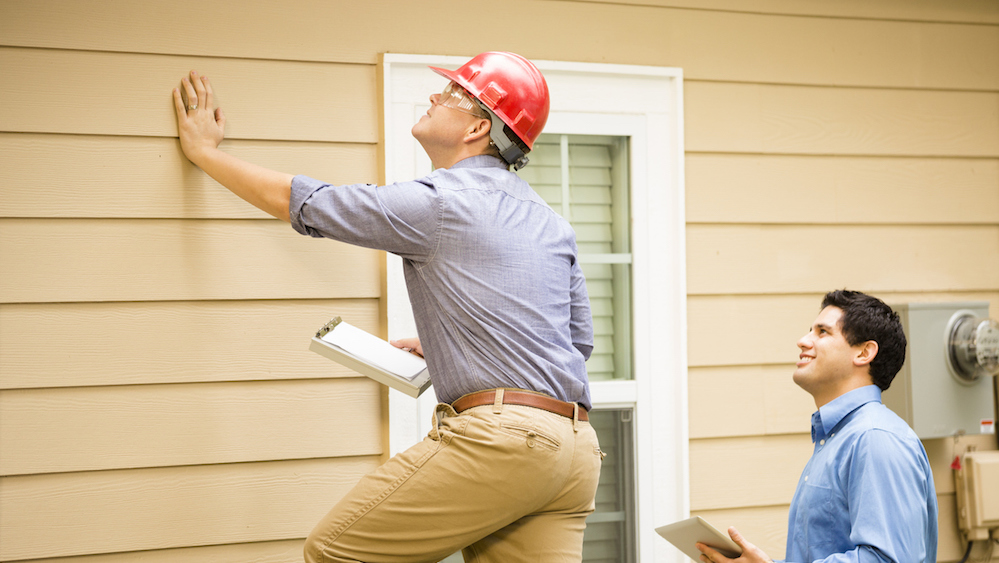
7 Reasons Why You Shouldn't Ignore A Home Inspection

When you start shopping for a new home, you may start picturing yourself living there, figuring out where you’d put your furniture, or how you’d want to start renovating. 

However, you may want to wait before investing emotionally, as you never know what’s lying beneath the surface of any given home.

Here are some of the top reasons why you should never skip out on a home inspection:

1. Home inspections can reveal critical information about the condition of a home and its systems. This makes the buyer aware of what costs, repairs, and maintenance the home may require immediately, and over time.

2. For safety purposes, a home inspection can detect safety issues like radon, carbon monoxide, and mold, which all homes should be tested for. 

3.  It can reveal whether rooms, altered garages, or basements were completed without a proper permit, or did not follow code.

4. Home inspections are even more critical if you are buying an "as-is" foreclosed property or short sale. 

5. A home inspection report presents an opportunity to ask for repairs and/or request a price reduction or credit from the seller.

6. It can diagnose the current condition of the structure itself and tell you how long finishes have been in the home.

7. Some insurance companies will not insure a home if certain conditions are found or without the presence of inspection certifications.

It is your responsibility to understand as many details as you can about the property you may soon call home. Home inspections reveal the inner workings of the property. Make sure you don't skip this.

If you have more real estate-related questions, click here to email our team today. We'll be happy to hear from you.

June 30, 2021

12 Things to Do Before Selling Your House

Getting ready to sell your house? Then it’s time to roll up your sleeves and get to work! Here's a checklist before selling your house. 

1. Find a great real estate agent

Your real estate agent should be someone you feel comfortable working with, whom you trust to sell your house for top dollar. Don’t be afraid to talk to a few real estate agents before picking one. 

2. Consider your curb appeal

By investing some effort in relatively easy fixes, like planting colorful flowers and repainting your front door, the outside of your house can beckon prospective buyers to come on in. If you’re not sure how to improve your home’s curb appeal, ask your real estate agent for advice on how others in your area have improved the exterior before selling their houses.

3. Declutter living areas

Less is more when it comes to getting your house ready to show. Do a clean sweep of counters, windowsills, tables, and all other visible areas, and then tackle behind closed doors: closets, drawers, and cupboards—since virtually nothing is off-limits for curious buyers. If the house is overflowing with stuff, buyers might worry that the house won’t have ample space for their belongings. They won’t sign up to pay a mortgage if they think they’ll also have to rent a storage space.

4. Depersonalize your space

Sellers should remove personal items and family photos, as well as bold artwork and furniture. It might make the home less appealing to the general public. The goal is to create a blank canvas on which buyers can project their visions of living there and loving it.

5. Repaint walls to neutral tones

You might love that orange accent wall, but if it’s your potential buyer’s least favorite color, that could be a turnoff. It’s the seller’s job to help buyers picture themselves in the house. If they don’t feel at home, they’ll probably look at other real estate options.

7. Fix any loose handles

It’s a small thing, sure, but you’d be surprised by the negative effect a loose handle or missing lightbulb can have on a buyer.

8. Add some plants

When staging your house, remember that green is good: Plants create a bright and more welcoming environment. You might also want to consider a bouquet or bowl of fruit on the kitchen counter or dining table. Some plants and natural elements will impress buyers by bringing some extra color and life to your decor.

9. Conduct a smell test

Foul odors, even slight ones, can be a deal-breaker, and the problem is that you might not even notice them. Invite an unbiased third party to try to detect any pet smells or lingering odors from your kitchen. If the smells are pervasive, prepare to do some deep cleaning.

10. Clean, clean, clean

When selling your home, it’s important to keep everything tidy for buyers, and you never know when a buyer is going to want to schedule a last-minute tour. Remember to take special care with the bathroom, making sure the tile, counters, shower, and floors shine.

11. Hide valuables

You can’t trust everyone who comes into your house, even when you’re trying to sell it. Sometimes things disappear during an open house, and there’s little the seller can do to get those things back. Take care to hide your valuables or move them to a safe space away from your home.

12. Consider staging

Home stagers will evaluate the current condition and belongings in your house. They might recommend you buy or rent some items, or they might just reorganize your house.


Got more questions about these tips or any real estate-related topics? Send our team a message and we'll be glad to assist you.

June 22, 2021

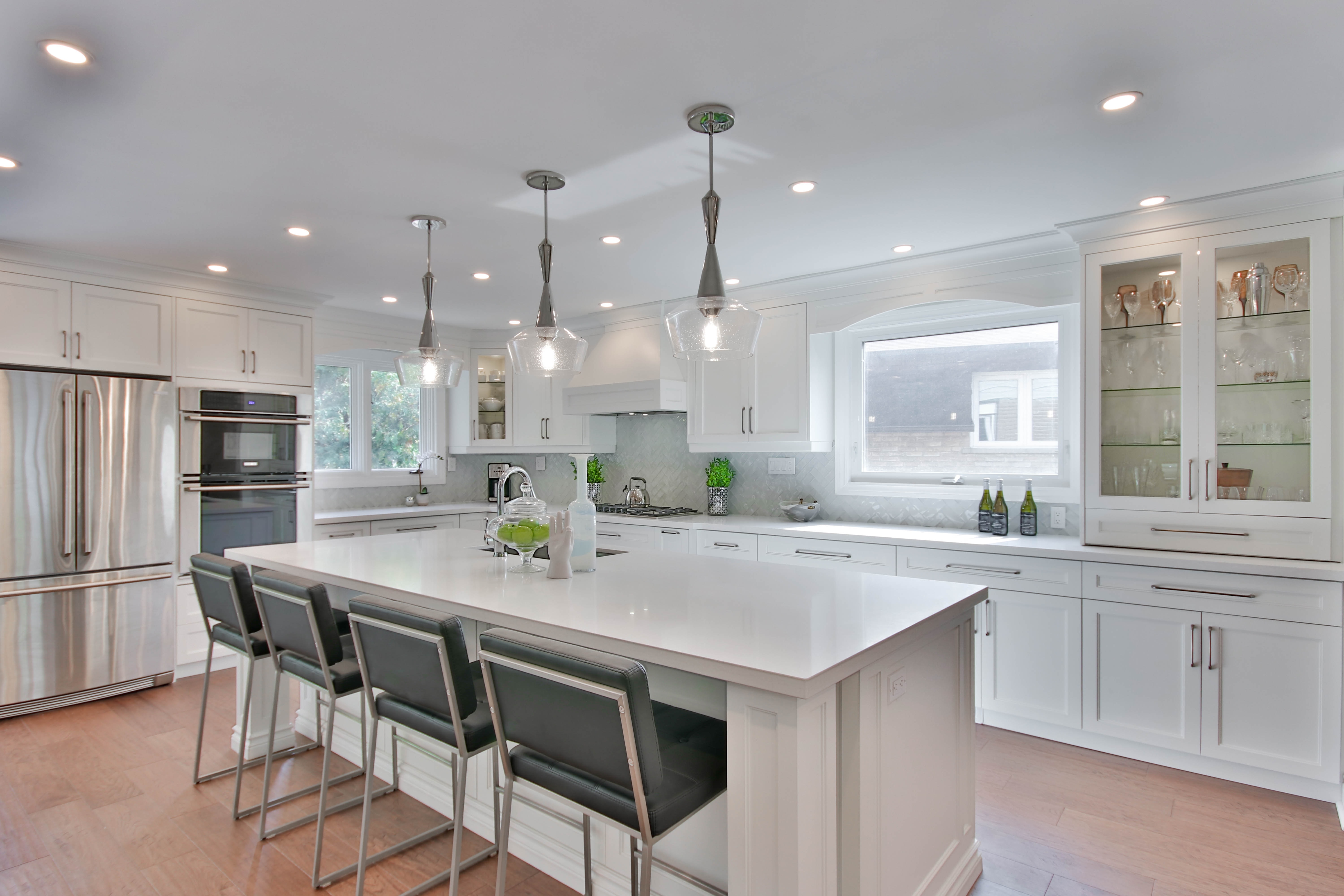
6 Most Popular Kitchen Island Styles

Extra storage, seating, and workstation are just a few of the benefits of having a kitchen island. There are a lot of styles you can choose from. L-shaped, galley, curved, or furniture-style? Find out which type of kitchen island is right for you

1. Rolling

If you don't have room for a built-in island, rolling islands are a convenient alternative. It's versatile and you can whisk them around your kitchen. Depending on its size, it may or may not have the storage you needed.

2. U-Shaped

U-shaped islands maybe a chef’s dream. Three walls of cabinetry and appliances are enough to increase the efficiency of any kitchen. It's functional and spacious. However, these islands are bulky and can close off your kitchen from the rest of your home.

3. Furniture-Style

An unconventional choice, furniture islands can make your kitchen feel like your home’s premier hangout spot. Wide-ranging options can include a custom piece designed by a local carpenter and an antique table or chest of drawers.

4. Circular or Curved

A circular island may be the answer if you want to add uniqueness to your kitchen design. A full circle or a half-moon might be used in the design. It adds an interesting visual dynamic to kitchens but the storage can be harder to access because your counter is spread out and curved.

5. Galley

With fewer frills and a straightforward design, galley islands are built to be workhorses. They can be a good fit for any type of kitchen layout, assuming that there’s enough space for one. Yes, galley islands are simple and efficient, but some homeowners may think they’re boring.

6. L-Shaped

This type of island can ebb and flow with the shape of your kitchen or fill in the blank space with more storage and prep space. The L-shaped island is large with correspondingly generous storage. However, this style may be too spread out for some homeowners, and it doesn’t always maximize storage space since corners tend to decrease accessibility.

Which is your favorite style? Share your thoughts and let us know in the comments section. 


June 15, 2021

Real Estate Experts: Your Essential Guide through this Extreme Market

In a typical market, having an expert adviser lead you through the process of purchasing or selling a home is beneficial. That person can help you with crucial matters such as effectively pricing your house or the initial actions to take when you're ready to buy. The current market, on the other hand, is far from typical. As a result, having an expert on your side isn't just beneficial; it's necessary.

There are several extremes in today's property market. High buyer demand is being fueled by mortgage rates near record lows. On the other hand, a lack of sellers has resulted in historically low housing inventory levels. Bidding wars are escalating as a result of the supply and demand imbalance, with more homes selling for more than the asking price. As a result, property prices are rising and home equity is increasing.

These market conditions aren’t just extreme – they can be overwhelming. Having a trusted specialist guide you through the process of buying and selling a house ensures that you have clarity, confidence, and success at every turn.

Here are just a few of the ways a real estate expert is invaluable:

  • Contracts – We help with the disclosures and contracts necessary in today’s heavily regulated environment.
  • Experience – We’re well-versed in real estate and experienced with the entire sales process, including how it’s changed over the past year.
  • Negotiations – We act as a buffer in negotiations with all parties throughout the entire transaction while advocating for your best interests.
  • Education – We simply and effectively explain today’s market conditions and decipher what they mean for your individual goals.
  • Pricing – We help you understand today’s real estate values when setting the price of your home or making an offer to purchase one.

A real estate expert can be your essential guide through this unprecedented market, but truth be told, not all agents are created equal. A true expert can carefully walk you through the whole real estate process, look out for your unique needs, and advise you on the best ways to achieve success. Finding the right agent should be your top priority when you’re ready to buy or sell a home.

So, how do you choose the right expert?

It starts with trust. You’ll have to be able to trust the advice your agent is going to give you, so make sure you’re connected to a true professional. An agent can’t give you perfect advice because it’s impossible to know exactly what’s going to happen at every turn – especially in this unique market. A true professional expert can, however, give you the best possible advice based on the information and situation at hand, helping you make the necessary adjustments and best decisions along the way. The right agent – the professional – will help you plan the steps to take for success, advocate for you throughout the process, and coach you on the essential knowledge you need to make confident decisions toward your goals. That’s exactly what you want and deserve.

It’s crucial right now to work with a real estate expert who understands how the market is changing and what that means for home buyers and sellers. If you’re planning to make a move this year, send us a message here and our team of experts will be happy to guide you. 


June 8, 2021

10 Money and Time-Saving Tips to Win a Bid War

When you're buying a house, your offer marks the beginning of a back-and-forth between you and the seller, typically with a real estate professional advising you both.

The more intentional you are about your offer, the better your chances of making a successful bid. Here are the 10 tips you can follow to save time and money.

1. Know Your Limits

Your agent will assist you in putting together a strong offer. It's a mutually beneficial relationship, so you can trust your agent's advice on price, contingencies, and other contact details. You'll be able to move more swiftly if you work together with your agent.

2. Learn to Speak "Contract"

An offer is essentially a contract. The paperwork and phrasing differ from state to state.

Before you go house hunting, go through some sample offer forms. If you need more information, a real estate attorney may walk you through the documentation so you're familiar with the terminology when you're ready to make an offer with your agent. Offer forms for your state will be available from your agent.

3. Set Your Price

There is always a listing price for a home. Consider it the seller's initial bid in your home purchase negotiations. As the buyer, you will include an offer price in your offer. When a home seller receives a bid, this is the first thing they look at. By using comps (or comparables), your agent can assist you to assess whether the seller's listing price is reasonable. 

4. Figure Out Your Down Payment

You must make a down payment on your loan in order to obtain a mortgage. Making a 20% down payment on a conventional loan (as opposed to a government loan) allows borrowers to avoid paying private mortgage insurance (PMI). PMI is a monthly fee that protects the lender in the event of a default by the borrower.

5. Show the Seller You’re Serious: Make a Deposit

The amount you put down as proof to the seller that you're serious about buying the house is known as an EMD (earnest money deposit). The earnest money will be applied to your down payment at closing if the seller accepts your offer. If you try to back out of the arrangement, you may be forced to pay the seller.

6. Review the Contingency Plans

Most real estate contracts include contingencies, which are requirements that must be completed before the transaction can proceed, otherwise, the buyer will be able to withdraw their EMD.

7. Read the Fine Print About the Property

The sales contract contains important details regarding the property, such as the address, tax ID, and utility kinds (public water or private well, gas or electric heating, etc.).

8. Make a Date to Settle

A proposed settlement date must be included in the sales contract you send to the seller, which verifies when the transaction will be completed. When the purchase agreement is signed, the clock starts ticking. If you don't close on time, the party who caused the delay may be required to compensate the other party by paying "penalty interest" at a specified rate.

9. Write a Fan Letter to the Seller

Do you want to make a truly irresistible offer? Attach a personal note to the bid documents to tug at the seller's heartstrings. Tell a captivating story about your ancestors and your ties to the community. Consider your ancestors.

10. Brace Yourself for a Counteroffer

If you’re making a lowball bid or going up against multiple offers, the seller may decide to make you a counteroffer — a purchase agreement with new terms, such as a higher sales price or fewer contingencies.

If you're planning to buy a house these tips will certainly help you. 

For more real estate-related tips and questions, just click here and our team of experts will be happy to guide you. 


Posted in Buyer Tips
May 31, 2021

6 Essential Repairs to Make Before Selling a House

There are some important repairs to make before selling a house. Don’t be in too much of a hurry to get your home listed. If you move too fast, buyers see right through the fact that you skipped important home renovations. And this might end up costing you time and money. 

Check out these six important repairs to make before selling a house

1. Spruce up the grounds.

Good landscaping can add up to 28% to overall home value. This is one of the easiest and cheapest tricks. If you don’t have time for a full overhaul of your front yard, small changes can still have a big impact.

2. Love the hardwood.

One of the biggest turnoffs for buyers is dirty old carpets. It is worthwhile to invest in wood floors. Right now, carpeting isn’t just an aesthetic choice—it’s a choice that can actively turn away buyers who can’t see beyond it. Instead of noticing what a wonderful, light-filled living room you have, they can think only about just how much money it will cost to get rid of that nasty old carpet.

3. Fixing windows and doors are one of the most important repairs to make before selling a house.

You’re not just irritating buyers by refusing to fix broken windows and doors. Ignoring basic repair work might actually cast a pall on your entire home. 

4. Paint and/or wash the walls.

If any of your rooms are doused in a dark shade, cover it up with a coat of light or neutral paint. Buyers find it easier to picture themselves living in a home with neutral walls—plus, they’ll make your home seem larger, cleaner, and far more appealing.

5. Clean the cabinets.

Check for any loose drawers, hardware, or shelving so buyers don’t wonder what else might be amiss. And hide those strange or semi-incriminating items that aren’t at all meant for public display.

6. Update the lighting.

Modern lighting can make your home go from old to new and stylish in no time. The ROI can be pretty impressive.

If you have more real estate-related questions, don't hesitate to send our team a message here.


May 25, 2021

Tips on How To Prepare To Make a Down Payment

One of the biggest hurdles in buying a home is coming up with a down payment—the large chunk of cash that’s typically required to secure a mortgage for a house.

Fortunately, most lenders today offer a wide range of down payment options for 5%, 10%, 15%, or 20% of the price of the house. For many first-time homebuyers, a government FHA loan can be obtained, for as little as 3.5% down. If you are a military member or veteran, there are even more budget-friendly options available to you.

Many home buyers tap their savings to procure the funds for a down payment, and often postpone large outlays to save money. But here are some other ways to come up with a chunk of money.

1. Gifts from family or friends

Some types of loans allow “gift” funds—money that is given to you—for a down payment. The person who gives the money must have no financial interest in the property and the funds must be a true gift, backed up by a letter. Banks won’t allow “gift” funds if the gift is a loan that has to be repaid.

2. Down payment assistance

Many local and state government programs offer down payment assistance for borrowers in need, so check with your lender or state housing commission for more information.

3. No-PMI home loans

There are a few loan options that allow you to put down less than 20% without the added PMI cost. Check with your lender to see if it offers a low-down-payment, no-PMI product if a 20% down payment seems too challenging

4. Make saving a habit

The surefire way to make your down payment is to start a fund for it now.


Looking for other ways to make your mortgage process easier? Or do you have any other real estate-related questions? Click here and our team of experts will be happy to help you. 


Posted in Buyer Tips