Welcome to the Livin The Dream Team Blog

If you're looking for real estate tips and the most up-to-date real estate trends in Marco Island and Naples, you are in the right place. From market trends to local events, and happenings our team is here to help navigate you every step of the way.

Dec. 15, 2021

6 Pet Lover's Tip in Buying a New House

Do you have a pet and planning to buy a new house

Well, if you have dogs, cats, or other pets in your family, keep in mind that you also have to consider needs when you’re looking to buy a house. Your fur babies might seem easygoing, but certain homes, and neighborhoods, are more pet-friendly than others.

Here are six questions to ask yourself or the seller before choosing a new home to make sure that you and your pets can live peacefully. 

1. Are there any local pet laws?

Owning a property in a neighborhood is not a guarantee that your pets will be welcome there. Depending on the number and the breed, there can be restrictions within a Homeowners Association (HOA), condo rules and regulations, and/or the city or state law. Make sure to coordinate before closing any deal.

2. Are the yard and fencing pet-friendly?

Is there a fence? Is it safe for your pets? Is it too low and they can easily go out? If there is none, can you build one for your pets? Again, check and communicate.

3. Is the neighborhood good for pets to roam?

If you like walking with your dog every morning, find a safe place and the dog will be happy to walk. Always consider the location, is it close to the park? Do you need to walk and pass by a busy road? Is it nearby a green space where wild predators can be dangerous for your pets?

4. Does the house have pet-friendly floors?

Our pets like lying on the floor, so make sure it will not create any issue for you and your pets. An expert recommends solid hardwood since it can be refinished when it’s scratched. If you're going to put in new flooring, consider reclaimed or distressed wood, where the scratches will just add to the character. Poured concrete, tile, luxury vinyl, and laminate are some other good flooring options.

And say no to carpet because cats will just claw it and carpets trap stains, fur, and pet smells.

5. Does the house have a pet-friendly floor plan?

If you have a large dog or several dogs or pets, consider the size and the layout of the house. Is it big enough to accommodate your pets? Will they be comfortable?

6. Is the stairs pet-friendly?

If you're looking to get a multi-level home, make sure the stairs are safe with your pets. I bet you don't want to create any hazards for them.

Always remember that pets are also part of the family. Taking their needs into account will be both a smart and kind move. Send us a message to find the best neighborhood for you and your pets. 
 

Dec. 8, 2021

3 Tips for Single Homebuyers

Are you dreaming of having your own home but are a little bit hesitant because you're just on your own, well don't be. By careful planning and with the help of experts you will definitely achieve your dream home.

According to research from Freddie Mac, 28% of all households (36.1 million) are sole-person, and that number is growing. Over the past 40 years, the number of sole-person households has nearly doubled, and that’s a trend that’s expected to continue. 

“Our calculation suggests that there will be an additional 5 million sole-person households in the United States by the next decade. This means 42% of the household growth will be contributed by sole-person households, . . .”

If you fall into this category, here are three tips to help you achieve your homeownership goals.

1. Know Your Credit Score

When you buy a home on your own, you have to qualify for your loan based solely on your own finances and credit history. Investopedia says:

“. . . lenders will be looking at just one credit profile: yours. Needless to say, it has to be in great shape. It is always a good idea to review your credit report beforehand, and this is especially true of solo buyers.”

It's important to know your score so you know your status. If you are uncertain about your standing or if you need to improve it, connect with an expert for advice on your situation.

2. Check Your Down Payment Options

There are different down payment programs you can choose from. Check the options so that you know how much do you need to buy a home

In this step, lean on the pros to determine what you’re eligible for and what’s right for you. Again an expert will be able to guide you regarding this.

3. Think About Your Future Home and Your Needs

Spend some time thinking about what you want. What type of home do you picture yourself in? Do you need it close to your workplace? Do you need a dedicated home office? Do you want to have a garden? A condo? 

If you are undecided, a professional can help you balance what you want and how much you should spend on your monthly housing costs to determine what type of home is right for you.

Buying a home on your doesn't have to be challenging. Always remember that there are experts who can help you every step of the way, you just have to look for that right home buying team.

Our team of experts will be happy to guide you. Just send us a message


Dec. 1, 2021

6 Storage Ideas to Hide Your Clutter

Ever wonder why clutter is always coming back even if you disposed of much of your unused stuff? Well, guess what, you didn't let go of most of them.  All those things with sentimental values and those that are essential to the household might be the culprit of the clutter. 

Check these clever solutions that turn everyday items and locations into sneaky storage spots right under your nose.

1. Pegboard For Your Pots and Pans 

The kitchen might be the center of all these clutters. Using vertical storage is the most ideal way to organize your kitchen

Pegboard for your pots and pans can be both functional and beautiful.

2. Bed Storage

Your bed takes up prime real estate in your home. And for all but eight hours of the day, it doesn't serve much of a purpose. Why not put that space to work? Beds with built-in drawers are convenient for in-season clothing, while lift-up mattresses like this Ikea model offer a box-spring-size storage area for items you don't reach for every day.

3. Curate Your Clutter

Sometimes the difference between "clutter" and "collection" is all in the presentation. Your collections are your treasures so treat them right. Arrange them artistically instead of just scattering them around your house.

4. Capitalize on Crevices 

That 6-inch space between your refrigerator and the wall can either be a destination for dust bunnies or the answer to your small-kitchen storage. 

5. Conceal an Eyesore, Create Storage

There are home essentials that are an eyesore. However, you can't just remove and throw them, because again, they are essential. For example the garden hose,  you can use wooden cabinets to hide. The cabinet makes it much more enjoyable to entertain in the surrounding garden area, with cleaning supplies close at hand yet out of sight.

6. Make a Mobile Yard Work Station

It's a condition that can afflict even the most organized garage: Little by little, all those yard and garden tools find their way onto workbenches and the floor, crowding out cars and humans alike. A mobile workstation will be easier to push and pull anywhere, hence all the tools will be back nicely to their storage right away.

Got more tips in concealing all those home clutters? Share it in the comments section. 

Also if you have questions regarding home staging, buying or selling your property or any real estate-related question just send us a message and our team of experts will be happy to help. 


Posted in Home Improvement, Tips
Nov. 24, 2021

5 Not So Safe Trendy Home Design

According to home inspectors, popular trends in home design do not always adhere to the cautionary phrase "safety first." As more homeowners renovate fixer-uppers or look for DIY design inspiration on Pinterest, home inspectors are noticing some design approaches that appear good but aren't always safe.

Below are five housing trends that property inspectors are concerned about because they could pose health and safety risks.

Floating Shelves

Floating shelves in the kitchen are a great way to display your beautiful stoneware, and they can also be used in the living room to create a gallery space for your favorite books and collectibles. While it may appear that adding floating shelves is a simple undertaking, Valentino Gecaj of Valentino Home Inspections in Westchester, New York, claims that many of the DIY projects he's seen lack proper support. Molly bolts or wall anchors are required to secure a floating shelf to, say, plaster or drywall. "Floating shelves are easier to overburden with weight than standard shelves," says Gecaj.

Floating Staircases

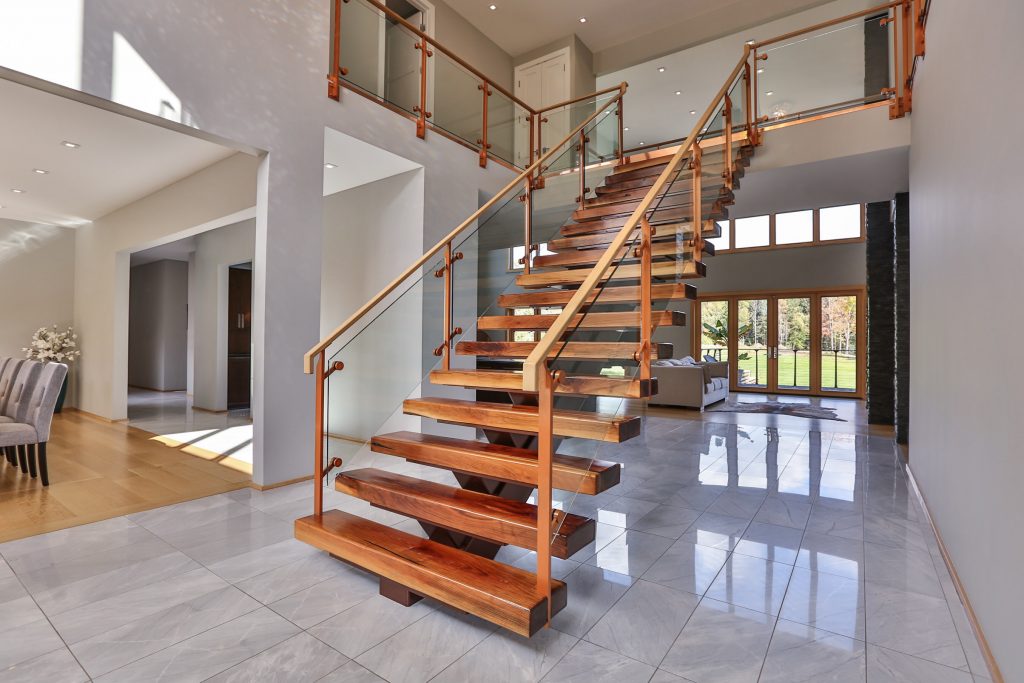
Joe Tangradi, director of technical services at HouseMaster, a Neighborly firm, has noticed elegant staircases in both new constructions and restored homes when it comes to steps. However, these ultra-modern floating staircases are frequently beset by safety issues. For one thing, when four or more risers are constructed, he says, a railing is essential, but many new stairs toss caution to the wind and don't have handrails, or have handrails that aren't easily graspable. Risers can also be open as long as the gap between them does not exceed 4 inches. Any larger and there's a risk of young children or dogs slipping and falling to the floor!

Vintage Appliances

Vintage appliances may give your kitchen a touch of whimsy and a splash of color. Not only are replacement components difficult to come by in the event of a breakdown, but some of these appliances are also hazardous. According to Gecaj, they have a far higher risk of igniting electrical fires. Many vintage stoves also lack modern safety measures like anti-tip technology and electrical components that are sealed. Many appliance manufacturers are reproducing retro designs to suit modern standards, so if you like the retro aesthetic, you're in luck.

Nixing Handrails 

Handrails aren't often the most fascinating design element in a room. Nonetheless, they exist for safety reasons and can aid in the prevention of dangerous falls. However, Welmoed Sisson, a home inspector and author of "101 Items You Don't Want in Your Home," has noticed a worrying trend in recent years: homeowners removing graspable handrails from their walls and replacing them with things like rope for a nautical vibe or hockey sticks for a sports motif. Those do-it-yourself handrails would fail a home inspection.

Exposed Brick 

Exposed brick makes a statement with its ability to lend charm and character to any room. However, brick is porous and a poor insulator, according to Gecaj. Not only will your home be less energy efficient as a result of this, but "exposed brickwork can bring in excess moisture and a variety of insects," he adds. If you do decide to move into a home with exposed brick walls, make careful to apply a sealer to help preserve the walls from dirt and moisture (which can lead to mold problems).

If you are thinking to renovate your house, make sure that you follow "safety first" over new trends. 

However, if you are planning to renovate your house because you are thinking to sell it, might as well check these things before selling your house

Posted in Real Estate Tips
Nov. 17, 2021

7 Useful Checklist When Moving Into a New House

It's natural to feel overjoyed at the prospect of moving into your new home. Who knows, how many bidding wars did you go through before you win your new dream house.

However, before you get too excited and call it home, make sure you tick these items off your to-do list for your safety and protection.

1. Get New Locks 

Change the locks because you have no idea who else has keys to your house. This assures that you're the only one with access. Install new deadbolts yourself for as low as $10 per lock, or hire a locksmith for $20 to $30 per lock if you supply the new locks.

2. Check for Plumbing Leaks

Before closing the deal, your home inspector should handle this for you, but double-checking is always a good idea. Check your water heater for signs of a leak and keep an eye out for dripping faucets and running toilets.

3. Steam Clean Carpets

It's best to do this prior to moving your furniture in, and you'll have a fresh start in your new house. You can hire a professional carpet cleaner for approximately $50 per room; most businesses want a minimum of about $100 before they will come out, or rent a steam cleaner for about $30 per day and do the job yourself.

4. Clean the Cabinets

Before you move in bring your dishes and bathroom supplies with you, especially if the house has been vacant. Mice and other pests are known for moving in swiftly. Wipe or if possible wash the in and out with a non-toxic cleaner, and replace the contact paper if needed.

5. Schedule a Pest Control

Get rid of mice, rats, bats, termites, roaches, and others. There are a variety of DIY pest-removal methods available, but if you need more than that, an initial visit from a pest removal agency would cost between $100 and $300, with monthly or quarterly appointments costing around $50 each.

6. Know Where's the Circuit Breaker Box

You need to do this as early as the first week you move into your new house. It's best to do this with someone so that you can check if the power goes on and off. So, in case of emergencies you know where and what to switch off. 

7. Locate and Know how to Turn Off the Main Water Valve

Basically, you want to know this for plumbing emergencies.  Try turning the knob until it’s off, then test it by turning on any faucet in the house; no water should come out. 

Moving into a new place is almost always exciting. Nevertheless, do not forget all of these things to make sure that everything is in harmony.  


Posted in Buyer Tips, Tips
Nov. 10, 2021

How Sellers Win When Housing Inventory Is Low

In today’s housing market, the number of homes for sale is much lower than the strong buyer demand. As a result, homeowners ready to sell have a significant advantage. Here are three ways today’s low inventory will set you up for a win when you sell this season.

1. Higher Prices

With so many more buyers in the market than homes available for sale, homebuyers are frequently getting into bidding wars for the houses they want to purchase. According to the latest data from the National Association of Realtors (NAR), homes are receiving an average of 3.7 offers in today’s market. This buyer competition drives home prices up. As a seller, this certainly works to your advantage, potentially netting you more for your house when you close the deal.

2. Greater Return on Your Investment

Rising prices mean homes are also gaining value, which increases the equity you have in your home. In the latest Homeowner Equity Insights Report, CoreLogic explains:

“In the second quarter of 2021, the average homeowner gained approximately $51,500 in equity during the past year.”

This year-over-year growth in equity gives you the ability to sell your house and then put that money toward a down payment on your next home, or to keep it as extra savings.

3. Better Terms

In a sellers’ market like we have today, you’re in the driver’s seat if you make a move. You have the power to sell on your terms, and buyers are more likely to work with you if it means they can finally land their dream home.

So, is low housing inventory a big deal?

Yes, especially if you want to sell on your terms. Moving now while inventory is so low is key to maximizing your opportunities.

If you’re interested in taking advantage of the current sellers’ market, contact a local real estate professional today to determine your best move. Send our team a message today

Nov. 3, 2021

Looking To Move? It Could Be Time To Build Your Dream Home

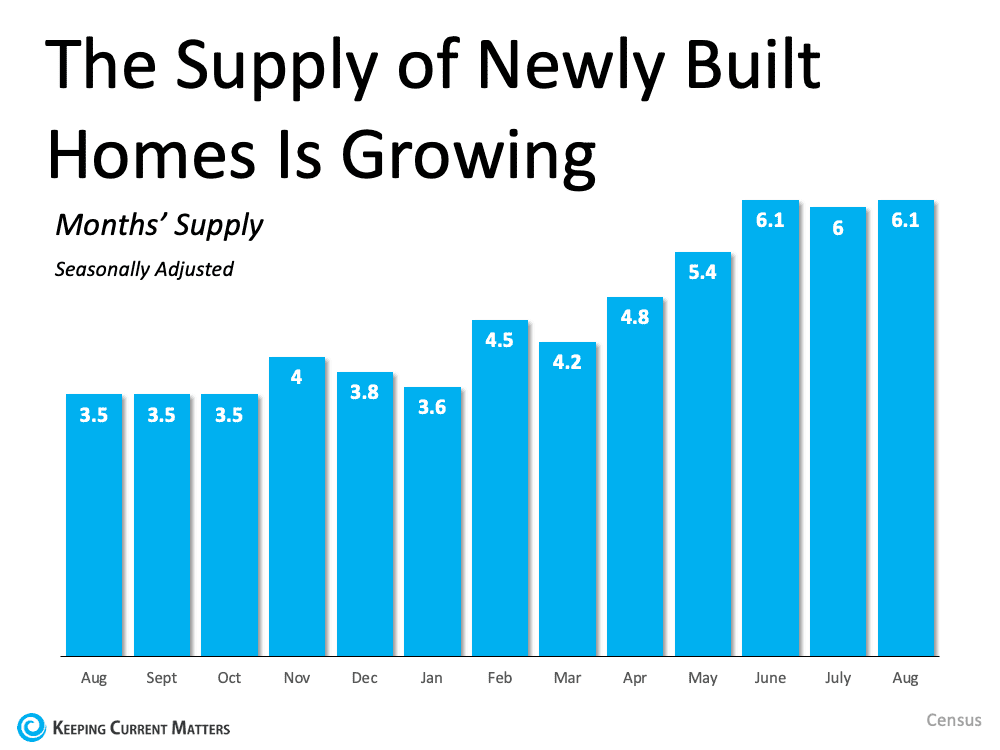
While today’s supply of homes for sale is still low, the number of newly built homes is increasing. If you’re ready to sell but have held off because you weren’t sure you’d be able to find a home to move into, newly built homes and those under construction can provide the options you’ve been waiting for.

The latest Census data shows the inventory of new homes is increasing this year (see graph below):

With more new homes coming to the market, this means you’ll have more options to choose from if you’re ready to buy. Of course, if you do consider a newly built home, you’ll want to keep timing in mind. The supply shown in the graph above includes homes at various stages of the construction process – some are near completion while others may be months away.

According to Robert Dietz, Chief Economist and Senior VP for Economics and Housing Policy for the National Association of Home Builders (NAHB):

“28% of new home inventory consists of homes that have not started construction, compared to 21% a year ago.”

Buying a home near completion is great if you’re ready to move. Alternatively, a home that has yet to break ground might benefit you if you’re ready to sell and you aren’t on a strict timeline. You’ll have an even greater opportunity to design your future home to suit your needs. No matter what, your trusted real estate advisor can help you find a home that works for you.

If you want to take advantage of today’s sellers’ market, but you’re not sure if you’ll be able to find a home to move into, consider a newly built home. Lean on your trusted real estate advisor to guide you through the sale of your house and discuss your home buying options. Send us a message today


Oct. 27, 2021

Experts Agree: Homeownership Provides a Path to Long-Term Wealth

A recent survey from LendingTree.com found there are multiple reasons why Americans would choose to purchase a home instead of renting. Some of the most popular non-financial reasons given include:

  • The flexibility to make the space your own
  • The pride homeownership offers
  • The sense of stability

In the same survey, 41% of respondents say they’d rather own a home than rent because of the unique way homeownership builds wealth over time.

And experts agree – the home you own is an important tool for building your net worth. Here’s what many of those experts have to say about building long-term financial stability through homeownership.

According to the National Association of Realtors (NAR):

“Homeowners who purchased a typical single-family existing-home 30 years ago at the median sales price of $103,333 with a 10% down payment loan and who sold the property at the median sales price of $357,700 in 2021 Q2 accumulated housing wealth of $349,258, . . .”

Mark Fleming, Chief Economist at First American, points out that a home is truly a one-of-a-kind asset. It’s the only asset that’s both an investment and a place for you to call your own.

“The major financial advantage of homeownership is the accumulation of equity in the form of house price appreciation. . . . We won’t always have 17% house price appreciation, but we have to take into account the fact that the shelter that you’re owning is an equity-generating or wealth-generating asset.”

Homeowners can leverage the wealth they generate in several ways throughout their life. Tapping into accumulated equity has long been used to pay for the cost of education, to start a business, or to fund various other expenses. The Joint Center of Housing Studies at Harvard points out:

“. . . by paying down mortgage principal each month and participating in the long-term appreciation of home values, a family can build wealth that can be used for retirement or other needs, including helping the next generation.”

With home prices expected to continue to appreciate in the coming years, homebuyers have an opportunity to start the long-term wealth-building process right now. Send us a message today if you’re ready to begin your journey on the path to becoming a homeowner.

Oct. 20, 2021

4 Tips To Prep for Your Home Sale This Fall

Even in a hot sellers’ market like today’s in which homes are selling so quickly, it’s still important to make a good first impression on potential buyers. Taking the time up front to prep your house appropriately can bring in the greatest return on your investment.

Here are four simple tips to make sure you maximize the sale of your house this fall.

1. Price It Right

One of the first things buyers will notice is the price of your house. That’s why it’s important to price it right. Your goal in pricing your house is to draw attention from competing buyers and let bidding wars push the final sales price up. Pricing your house too high, to begin with, could put you at a disadvantage by discouraging buyers from making an offer.

Your trusted real estate advisor can help you find the price for your home that reflects the current market value. Lean on your agent to help you with this crucial first step.

2. Keep It Clean

It may sound simple, but keeping your house clean is key to making sure it gets the attention it deserves. As realtor.com says in the Home Selling Checklist:

“When selling your home, it’s important to keep everything tidy for buyers. . . . Remember to take special care with the bathroom, making sure the tile, counters, shower, and floors shine.”

Before each buyer visits, assess your space and determine what needs your attention. Wash the dishes, make the beds, and put away any toys. Doing these simple things can reduce any potential distractions for buyers.

3. Make It Easy To Visit

Giving buyers the opportunity to see your house on their schedule can be a true game-changer. Buyers are less likely to make an offer if it’s difficult to plan a tour or they can’t easily fit it into their schedule. Making your house available as often as possible helps create opportunities for more buyers to fall in love with your house.

Rest assured your trusted real estate advisor will keep your health and safety top of mind when buyers tour your home. Agents use the latest guidance to stay up to date on any protocols and sanitization recommendations.

4. Help Buyers Feel at Home

Finally, it’s important for buyers to see all the possible ways they can make your house their next home. As the realtor.com article puts it:

“The goal is to create a blank canvas on which buyers can project their own visions of living there, and loving it.”

An easy first step to creating this blank canvas is removing personal items – pictures, awards, and sentimental belongings – from your space. If you’re unsure what should be packed away and what can stay, consult your trusted real estate advisor. Spending the time on this step can pay off in the long run, as the 2021 Profile of Home Staging from the National Association of Realtors notes:

“Eighteen percent of sellers’ agents said home staging increased the dollar value of a residence between 6% and 10%.”

To make the most of today’s sellers’ market, avoid the temptation to skip over the essential preparation steps. Connect with a trusted real estate advisor today to discuss all the ways you can maximize your home sale. Send our team a message today.

Oct. 13, 2021

Don’t Sell Your Home on Your Own – a Real Estate Professional Can Help

If you’re looking to maximize your sale and minimize your effort, you need to work with a real estate professional. In a sellers’ market like today’s, it can be tempting to list your house on your own – known as For Sale By Owner (FSBO). But the truth is, a real estate professional can save you time and money by managing every step of the process, from pricing your home to reviewing documents and handling negotiations.

Before you decide to sell your house on your own, here are five reasons why working with an agent is your best bet to maximize the sale of your home.

1. First impressions are everything – and an agent knows how to make a great one.

Prepping a house for sale requires a significant amount of time and effort, even though it may seem simple at first glance. Doing it right so it stands out takes expertise and an understanding of what buyers are looking for. An agent considers things like:

Should you take down any personal art or pictures?

How much landscaping should you invest in to boost your house’s curb appeal?

What wall colors are most appealing to buyers?

An expert real estate advisor relies on their experience to answer these questions and more so you don’t invest in the wrong things. Your time and money are important – you shouldn’t waste either.

2. Agents have tools to maximize the number of views your home gets.

Put, the more buyers that view your house, the better your return will be. In our current market, homes are receiving 3.8 offers on average per sale, according to recent data from the National Association of Realtors (NAR). While that’s promising for the sale of your home, it’s important to understand your agent’s role in bringing buyers in.

Agents have multiple tools at their disposal – from social media to agency resources – to ensure your home is viewed by more prospective buyers. Leveraging the tools available to your agent and your agent’s expertise may help boost your sale price as well.

3. An agent won’t miss anything in the fine print.

Your agent can also save you time by taking any guesswork out of navigating the required documentation. Today, more disclosures and regulations are mandatory, meaning the number of legal documents you need to juggle is growing.

Because there’s so much to take care of, it can be hard to truly understand all of the requirements and the fine print. That’s where an expert advisor can truly shine. They’ve been through the process before and can be your guide to avoid any costly missteps.

4. Expert advisors know the market and how to price your home.

Another way your agent maximizes the sale of your home is by making sure it’s priced right. Real estate professionals have the experience to compare your house to recently sold homes in your area. They also understand the market at large and can factor in any upgrades you’ve completed to your home. Combining these factors is the key to making sure your home is priced to move quickly – and at a competitive price.

When you FSBO, you’re operating without this expertise. Even with your own research, you may not find the most up-to-date information and could risk setting a price that’s inaccurate or unrealistic. If you price your house too high, you could turn buyers away before they’re even in the front door. This could also cause problems when it’s time for the appraisal.

5. Your agent will be an expert negotiator.

In addition to their experience navigating sales, real estate professionals understand how to negotiate every aspect of a deal. They also know all the parties that will be involved with the sale, including:

  • The buyer, who wants the best deal possible.
  • The buyer’s agent, who will use their expertise to advocate for the buyer.
  • The inspection company, which works for the buyer and will almost always find concerns with the house.
  • The appraiser, who assesses the property’s value to protect the lender.

An agent relies on their experience and training to make the right moves during the negotiation. They’ll know what levers to pull, how to address each individual’s concerns, and when you may want to get a second opinion. Selling your house as an FSBO means you’ll need to be prepared to have these conversations on your own.

Selling a house takes time, effort, and expertise – don’t go at it alone. If you truly want to maximize the sale of your home, work with a trusted real estate professional. Send us a message here today.